
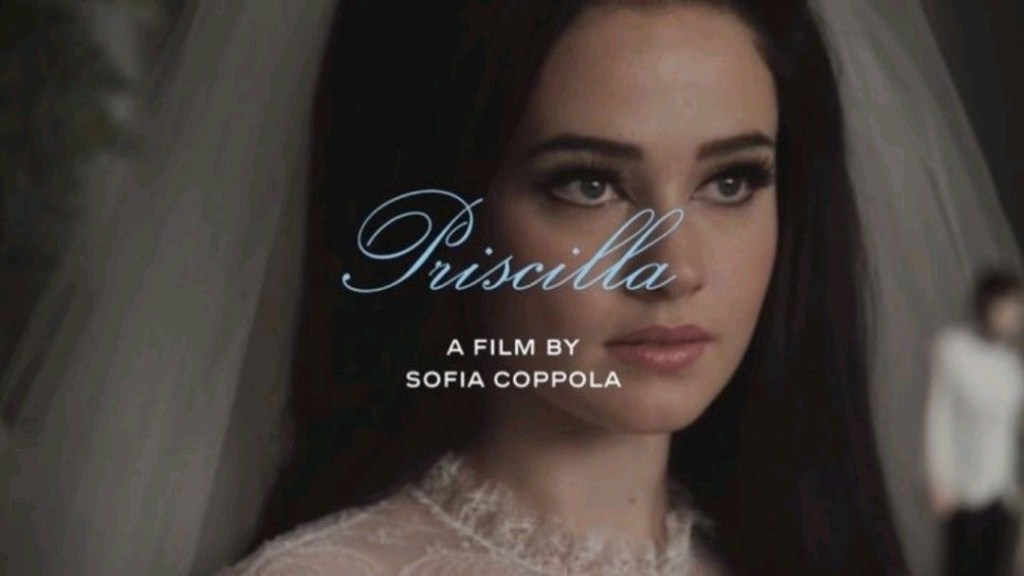
Like my ‘About’ page says- I am a teenage girl trapped in a 24-year-old woman’s body. Although outwardly, it seems like a jovial quip, most women, I would argue, can relate a sense of their own reality to the statement.
I tend to believe, even more so today, that girls are highly encouraged by society to mature quicker than their little hearts can bear-or should for that matter. Girls are groomed by society at a tender age, and their value is measured by their ability to adapt to beauty standards. Receiving praise, adoration, and priority, if you manage to fit into whatever is deemed ‘pretty’ at the time, how could you not want to try and achieve that standard? We all seek to love and be loved, after all.
By the time a woman enters her twenties, she will have assumed over 10 years of identities based on the current trends of each year. Performing at an Olympic pace to keep up with the rapid rate at which the definition of beauty has evolved. At the “ripe” age of 24 years old, you will find yourself exhausted from the sprint, and realize that while you were busy trying to feel valued (by a concentration of people who of which nearly never even value themselves) you did not get enough time to just be a girl.
If you are lucky enough to catch this break, your twenties become a bittersweet return to girlhood and to one’s true self. The self that lacks the constant fear of not being desired or understood by men. Within a mesh of mourning time lost with her and celebrating your inner girl, you do begin to feel as though you were not meant to grow up. In fact, you may find yourself wondering if you will ever stop feeling like a young girl inside.
Many young women today are experiencing this newfound awakening after what seems like the dark ages of girlhood. While I still admittedly take pride in my “Tomboy” upbringing, I have become smitten with everything girlhood is STEREOTYPICALLY and MATERIALISTICALLY known to be.
A brute force of glitter, the sight of a dollhouse, and the constant psychological need for the color pink.
This only very, very briefly scratches the material surface of what my newfound girlhood means to me. The context in this mindset provides a deeper look into why the story of Priscilla Presley and her life with Elvis, struck so internally for myself and many others.
I saw “Priscilla” in theaters this past fall with a dear girlfriend. From start to finish, we were glued to the screen in shock, horror, and, most of all – heartbreak. And yet, whenever there was a scene that inspired a reaction, I found comfort in the fact that I could turn to my friend, and I knew she was already looking at me with the same dumbfounded reaction as myself.
Actress Cailee Spaeny effortlessly becomes a 14-year-old Priscilla Presley. Sofia Coppola, the film’s producer, writes Priscilla in such a way that while you are aware she’s 14, you KNOW she is 14. Her mannerisms, speech, and appearance are all excellently tailored to perfectly drive home the innocence and naivety of that age.
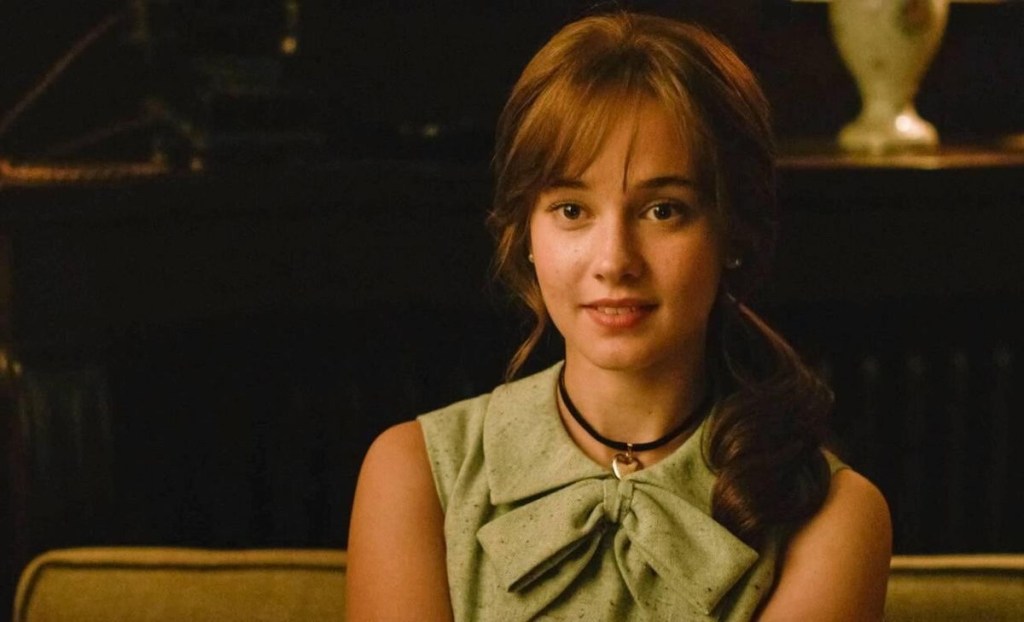
The main reason this film strikes such a cord with so many women everywhere is a recurring theme throughout the film (and her life) in which a young girl finds herself in situations where she feels unsafe, specifically at the hands of a man.
Women can recall a pivotal moment in their girlhood where they suddenly became violently aware of the way men may view girls. It is a gutting moment as a girl. In an instance, your heart drops, and your stomach turns as you realize there is no safety in being a girl.
The pit in your stomach forms the moment your elder male teacher comments on your 14-year-old body. The moment on your first date where the boy tries to kiss you before ever holding your hand. The moment his kindness turns to disgust the second you try to decline his advances. The moment you realize why you are afraid to walk alone at night. There are a myriad of moments, even more drastic than these, which I will not be divulging.
In one of many instances in the film, Priscilla bravely confronts Elvis about his fidelity, to which he explodes in a complete tirade of insanity on her. He rushes straight to their bedroom, throws out all of her clothing onto a suitcase, and tells her to start packing. I simply cannot fully imagine the level of fear and heartbreak she must have felt at that moment.
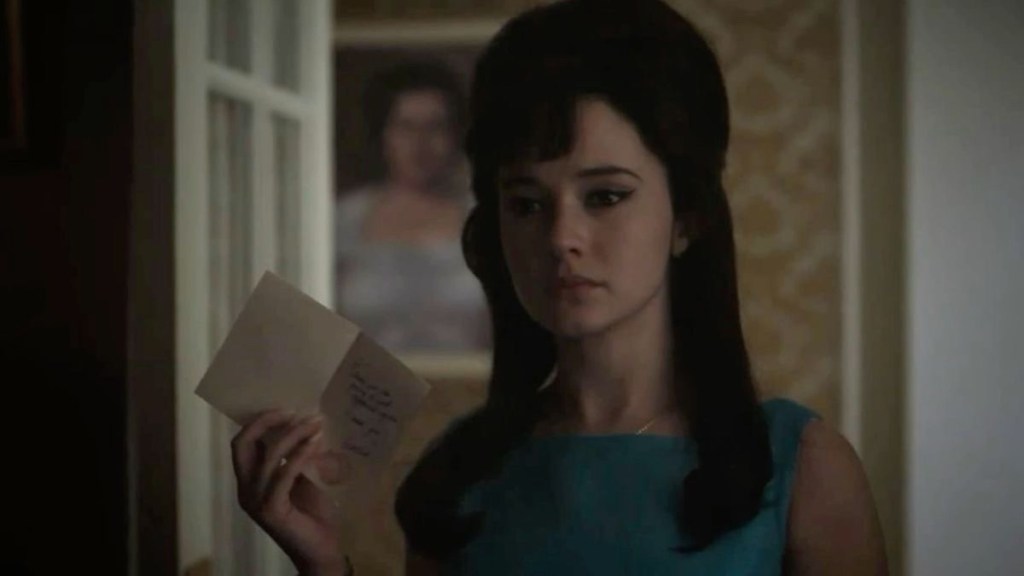
In another instance, only very shortly after giving birth to their daughter, Elvis very randomly tells Priscilla that they should “take a break”. SHE JUST GAVE BIRTH TO THEIR CHILD!? in this, Priscilla takes it upon herself to start packing her own things, to which Elvis almost instantly retracts and stops her. The emotional torment she endures. You can see the sadness in her eyes, something I think Cailee Spaeney excels at portraying.
The film follows young Priscilla’s life as she becomes completely immersed in the life of Elvis, and in my own opinion-loses her sense of self. She is no longer a little girl. She IS Elvis. You watch her transformation from girlhood to a living doll. The film is called “boring” by some because it follows the mundane and silent parts of her life, in stark contrast to the glamour and rage of Elvis’s. Every time Elvis leaves on tour or to film a movie, he leaves Priscilla alone at Graceland to her own devices. Much like a doll on a shelf, waiting to be played with again.
But you also are privileged enough to witness her transform into Priscilla Beaulieu towards the end of the film and the eventual end of her marriage with Elvis. You are rooting for her, and it almost feels like a win at the end to see her grow. You have the privilege of what I believe is Priscilla also returning to herself and returning to her stolen girlhood. Her appearance is no longer specifically tailored to the brand of Elvis, she becomes truly her own person.
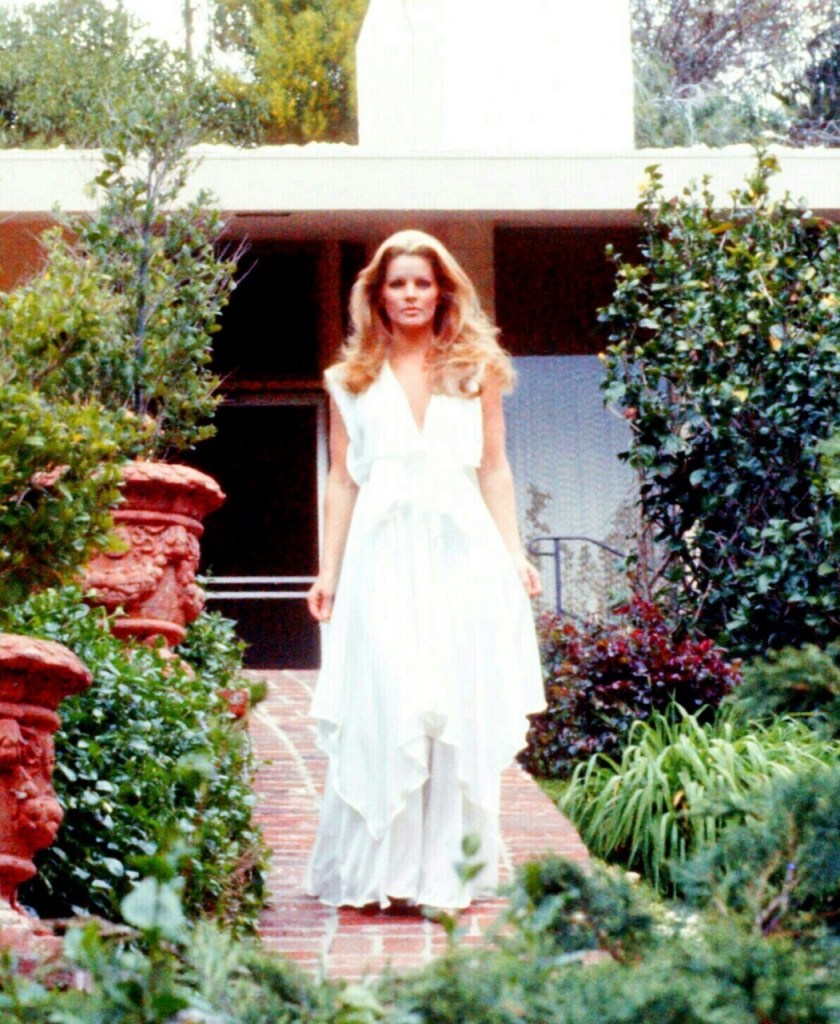
All this to say that this film meant a lot to me personally. This film boasts a surplus of melancholy. I was previously not paying attention to Sofia Coppola much; honestly, I don’t tend to track specific directors or producers consistently. but now she has captured my full attention as well as the world’s. I even purchased her book “Sofia Coppola Archive” (which still hasn’t shipped yet due to back order).
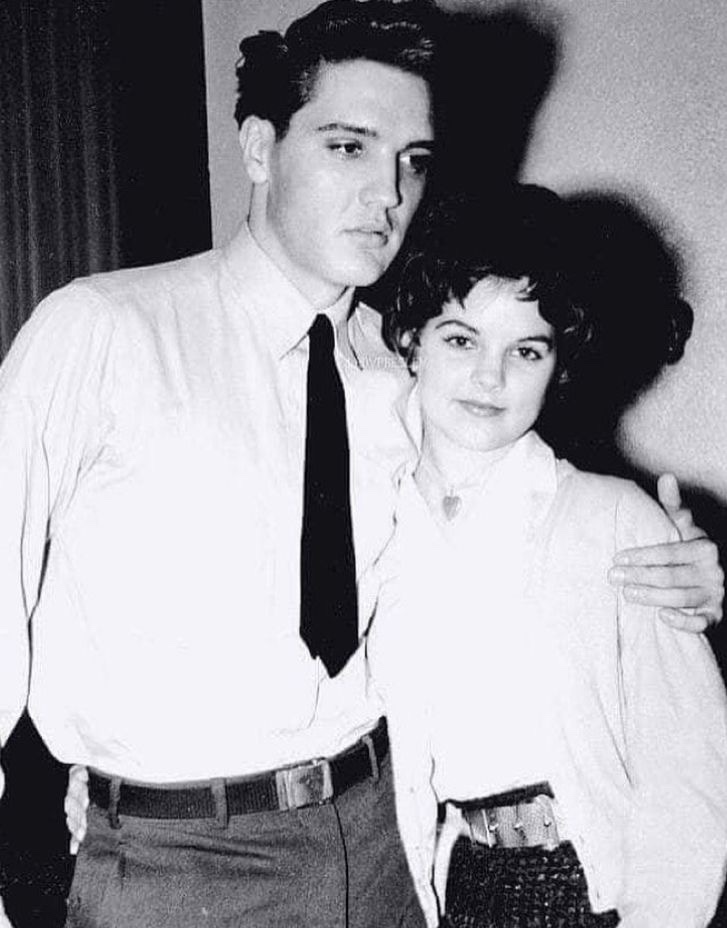
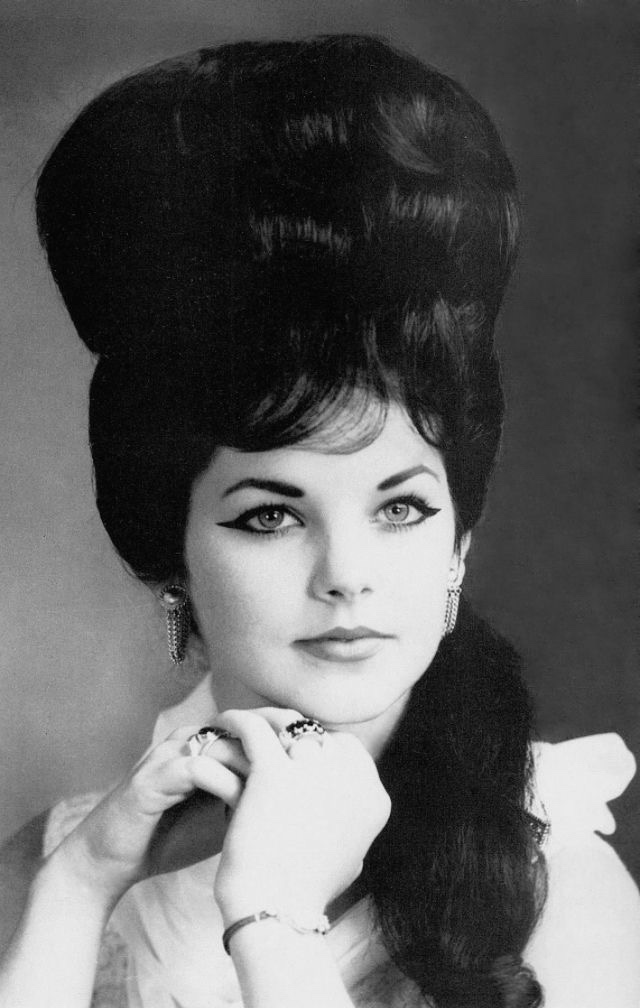
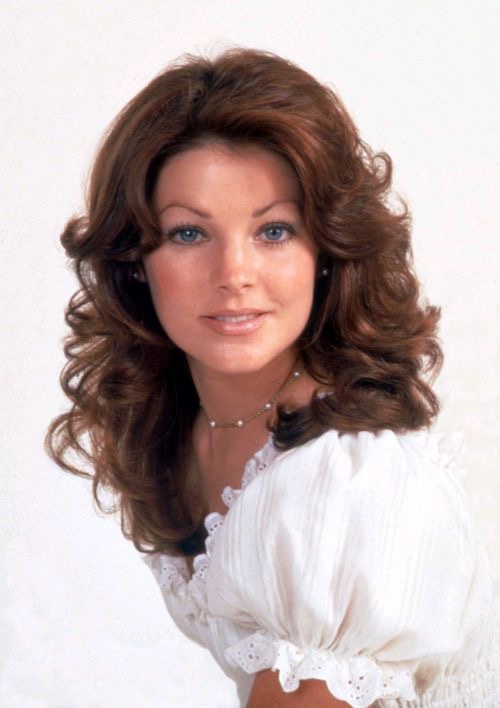
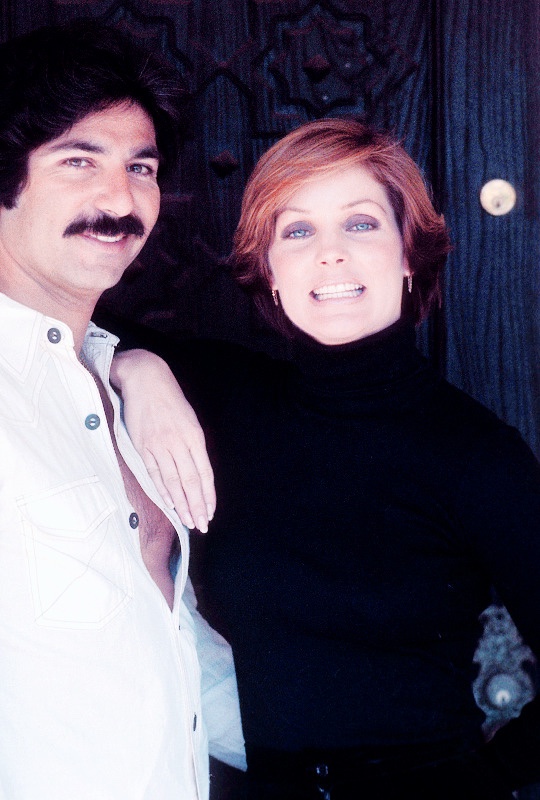
Anyway, this has been my two cents on girlhood and the Priscilla movie. To make up for the dreary thinkpiece this was, I have included additional photos below for your viewing pleasure.
P.S. I would just like to include that I also read the book, which includes a fun fact that one time, Elvis took Priscilla on a date to a Morgue to look at dead bodies.
Elvis was f*cking weird.


 Shaggy Magazine